
Over 50% of Canadian adults will develop a thyroid nodule in their lifetime. These solid or fluid‑filled lumps form in the thyroid. Many cause no symptoms. Others grow — causing pain, difficulty swallowing, visible swelling, and in some cases, thyroid cancer.
For many patients, the choice is stark: live with worsening symptoms or undergo invasive neck surgery. But thanks to donors at VGH & UBC Hospital Foundation, patients in BC now have a better option.
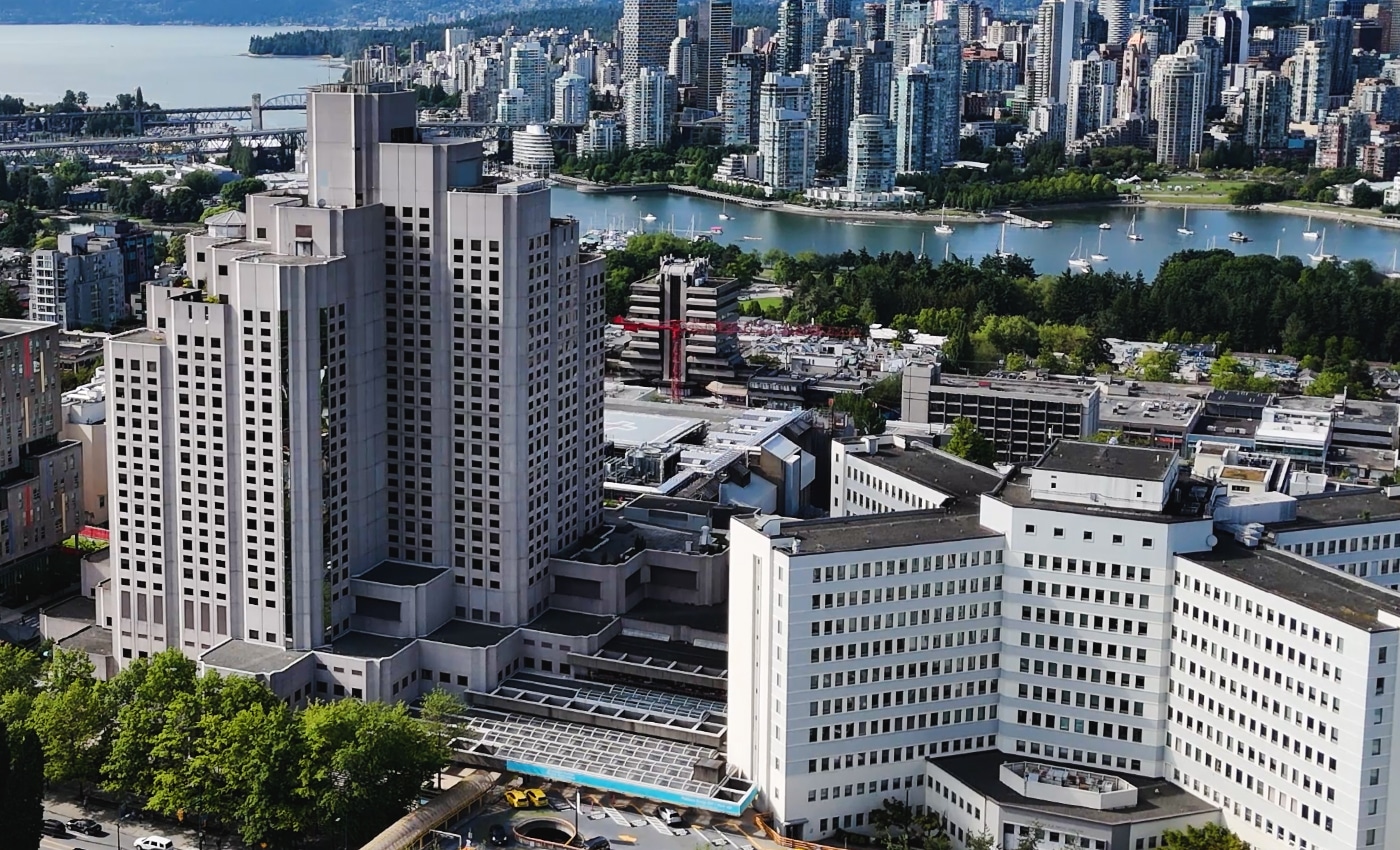
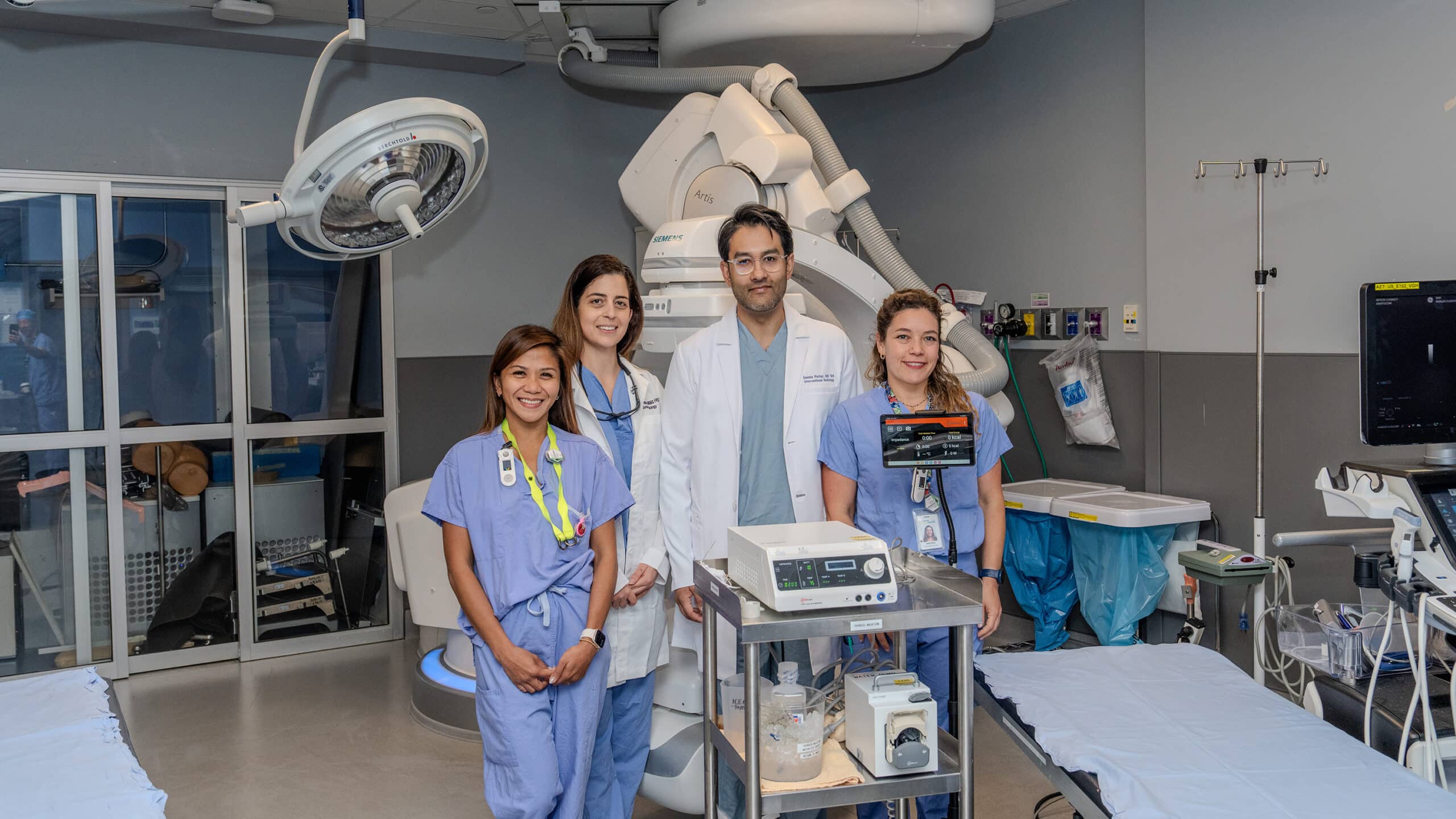
Vancouver General Hospital (VGH) recently became the first hospital in Western Canada to offer thyroid radiofrequency ablation (RFA), a minimally invasive procedure that treats thyroid nodules without surgery. The procedure is performed with the donor-funded StarMed RFA system.
“We’ve treated over 150 patients, all of whom have been able to avoid surgery,” says Dr. Dennis Parhar, Interventional Radiologist at VGH. “We’ve cured people of hyperthyroidism, successfully shrank nodules that compressed people’s airways, and have even successfully treated certain thyroid cancers for patients who are not surgical candidates.”
Dr. Parhar, who introduced this technique to the province, emphasized the collaborative, multidisciplinary effort behind these procedures.
“We work closely with our colleagues in Endocrinology, Head and Neck Surgery, and Oncology to select the right patients for this procedure,” he says. “The downstream effect is that this also frees up more operative time for other patients waiting for other head and neck surgeries.”
Thyroid radiofrequency ablation brings better care
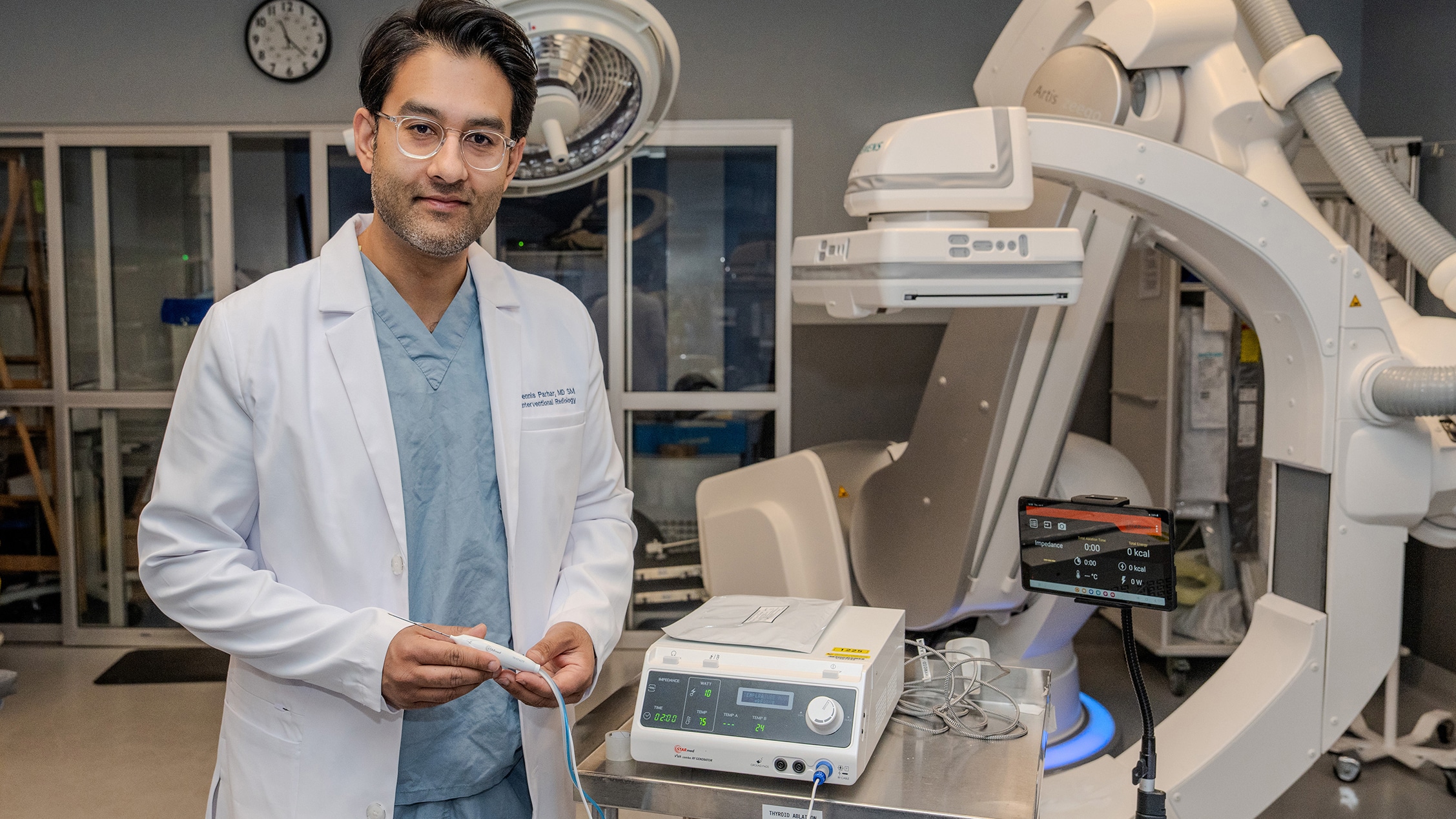
Using real‑time ultrasound, clinicians guide a very thin needle into the nodule during the RFA procedure. Radiofrequency energy delivers controlled heat to destroy the nodule and start a shrinking process.
Unlike surgery, thyroid RFA treats only the nodule. Your thyroid stays intact. Normal function is preserved. It protects nearby nerves and blood vessels while treating small areas safely. The procedure doesn’t leave a visible neck scar.
And it’s all done under local anesthesia in an outpatient setting.
“Because it’s minimally invasive, recovery is minimal, complications are very uncommon, and patients keep normal thyroid function without needing lifelong medication,” Parhar says. “Overall, it offers a safe, less disruptive alternative with excellent cosmetic and quality-of-life outcomes.”
Catalyst for health care innovation
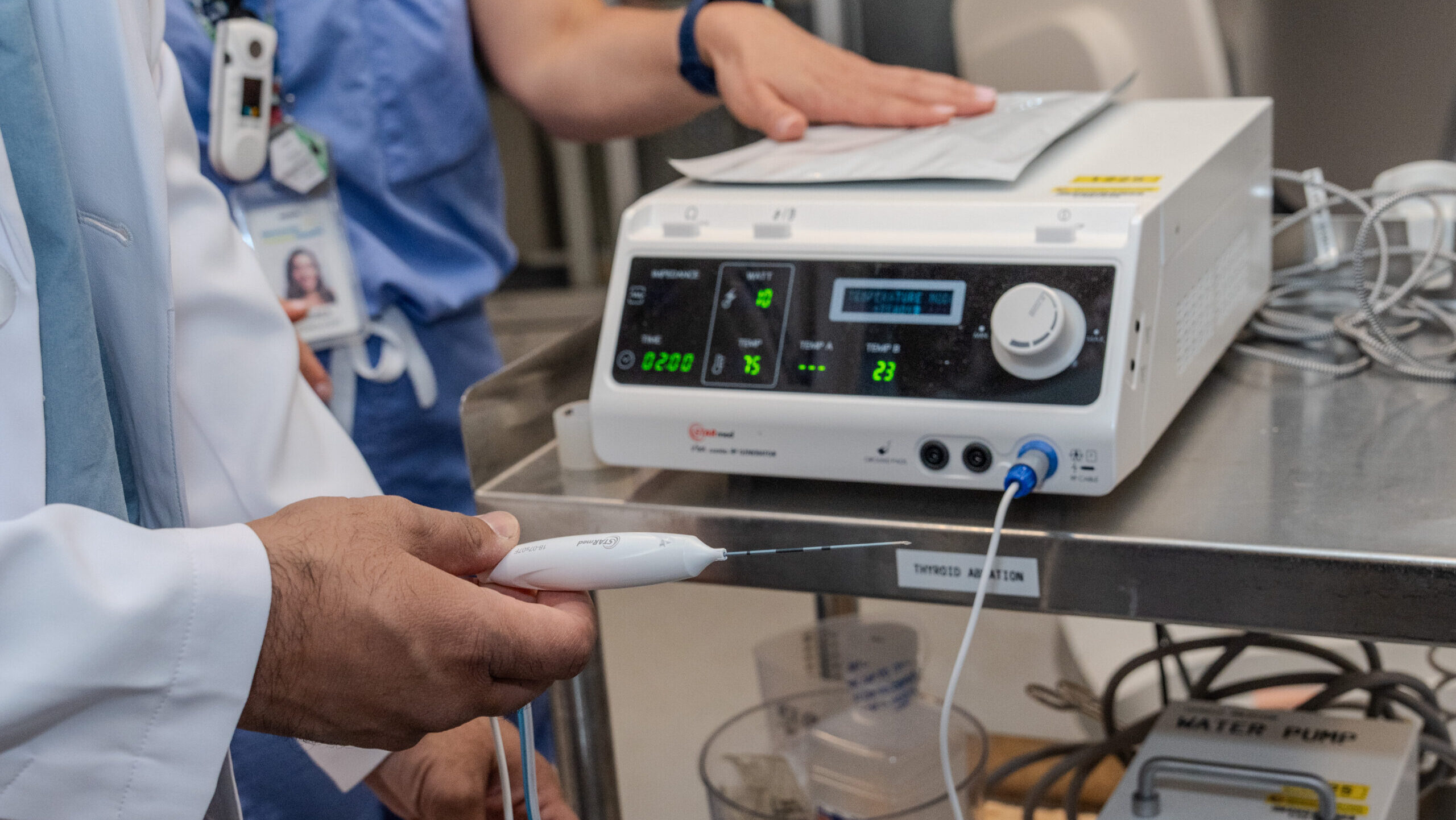
As a provincial referral hub for the most complex cases in BC, VGH offers treatments like thyroid RFA that aren’t available anywhere else in the province. Or, in this case, Western Canada.
It’s also home to other minimally invasive procedures that improve urological, spinal and cardiac care, among other clinical areas. And Parhar believes thyroid RFA can be a platform for further innovation, helping create system-level change.
“Once VGH develops the expertise, infrastructure, and confidence with techniques like these, it opens the door to expanding into other minimally invasive treatments and continually improving care,” he says.
But innovation in health care doesn’t always happen on momentum alone, he adds.
It often needs a catalyst.
“And philanthropy can be that catalyst,” Parhar says. “Donations help bridge the gap between what’s currently funded and what’s possible.”
VGH & UBC Hospital Foundation partners with donors to fuel groundbreaking research, world-class health care teams, and life-saving treatments benefitting everyone in BC. To donate, visit vghfoundation.ca/ways-to-give.
Share this: